


Automation for Packing – Driving Smart Packaging & Production Efficiency
21. Automation for Packaging and Logistics
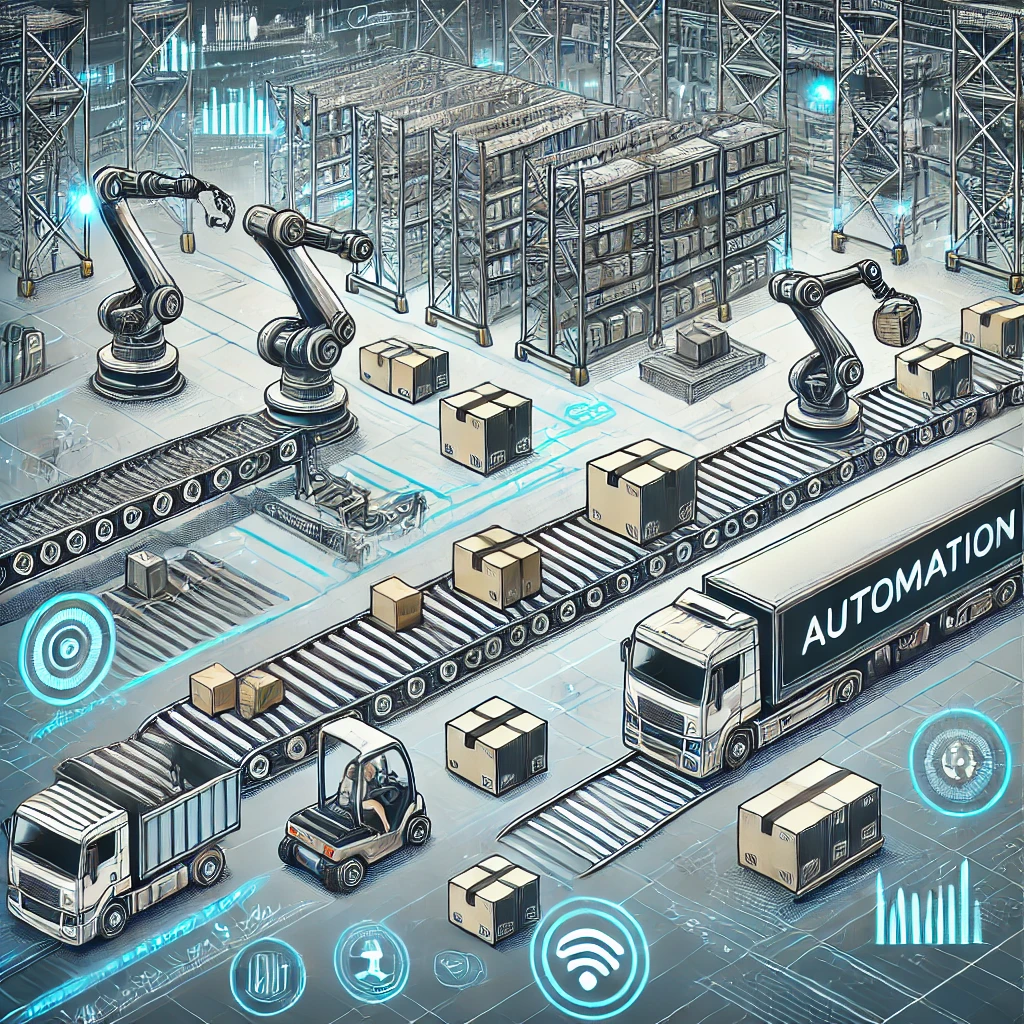
Automation for Packaging and Logistics: Driving Efficiency in Supply Chains
In the fast-paced world of industrial automation, the integration of automation technologies in packaging and logistics is revolutionizing the way products are packed, transported, and delivered. As industries face increasing demands for speed, accuracy, and sustainability, automation has become a critical enabler of efficient and scalable supply chain operations.
From robotic packaging systems to autonomous vehicles, automation ensures seamless handling of goods across the supply chain, enhancing productivity, reducing costs, and meeting evolving customer expectations.
What is Automation for Packaging and Logistics?
Automation in packaging and logistics refers to the application of robotics, IoT, AI, and automated systems to perform tasks such as:
- Packaging products.
- Sorting and labeling goods.
- Managing warehouses.
- Transporting materials and delivering orders.
By integrating these technologies, businesses can reduce manual labor, minimize errors, and optimize workflows.
Core Components of Packaging and Logistics Automation
- Robotic arms and machines designed for tasks like wrapping, sealing, and boxing products.
- Examples: Automated shrink wrappers, case packers.
- Include conveyors, automated guided vehicles (AGVs), and robotic palletizers to move goods efficiently.
- High-speed printers and applicators for accurate product labeling and traceability.
- Cameras and sensors ensure quality control by inspecting packaging integrity and verifying labels.
- Software platforms that optimize inventory storage, retrieval, and movement.
- High-speed sorters and diverters for classifying packages based on size, destination, or priority.
- Robots that navigate warehouses independently, transporting goods between zones.
- Sensors and connected devices for real-time tracking and monitoring of goods.
- Drones, autonomous delivery vehicles, and robotic couriers for efficient final delivery.
1. Automated Packaging Systems:
2. Material Handling Systems:
3. Labeling and Coding Systems:
4. Vision Systems:
5. Warehouse Management Systems (WMS):
6. Sortation Systems:
7. Autonomous Mobile Robots (AMRs):
8. IoT-Enabled Devices:
9. Last-Mile Delivery Automation:
Applications Across Industries
- Order Fulfillment: Automated systems pick, pack, and ship orders at lightning speed.
- Returns Management: Robotics streamline the sorting and processing of returned goods.
- Packaging Hygiene: Automated systems maintain cleanliness and comply with food safety regulations.
- Cold Chain Logistics: IoT-enabled sensors monitor temperature-sensitive goods during transit.
- Track and Trace: Automated systems ensure compliance with regulatory requirements for drug labeling and traceability.
- Secure Packaging: Tamper-evident seals are applied using robotic packagers.
- Parts Logistics: Automated systems manage just-in-time delivery of components to assembly lines.
- Bulk Handling: Robotic systems handle heavy and oversized packages efficiently.
- Shelf-Ready Packaging: Automated packaging solutions ensure products are ready for store displays.
- Last-Mile Delivery: Robotics optimize delivery to customers in urban areas.
- Inventory Management: Automated storage and retrieval systems (AS/RS) maximize space and accuracy.
- Cross-Docking: Goods are automatically sorted and redirected to outgoing shipments.
- Fragile Goods Handling: Robotics ensure safe packaging and transportation of delicate items.
- Custom Packaging: Automated systems create tailor-made packaging for high-value products.
1. E-commerce:
2. Food and Beverage:
3. Pharmaceuticals:
4. Automotive:
5. Retail:
6. Logistics and Warehousing:
7. Consumer Electronics:
Technological Advancements in Packaging and Logistics Automation
- Optimize inventory management, demand forecasting, and route planning.
- Adaptive robots that handle diverse product shapes and sizes.
- Enable real-time tracking of shipments and proactive maintenance of equipment.
- Advanced systems capable of sorting thousands of packages per hour with high accuracy.
- Assists warehouse workers with real-time picking guidance and inventory visualization.
- Automated systems minimize material usage and incorporate recyclable materials.
- Self-driving trucks and drones streamline material transport and last-mile delivery.
- Virtual replicas of supply chain operations for optimizing workflows and resource allocation.
1. AI and Machine Learning:
2. Robotic Packaging Systems:
3. IoT and Connected Devices:
4. High-Speed Sorters:
5. Augmented Reality (AR):
6. Sustainable Packaging Solutions:
7. Autonomous Vehicles:
8. Digital Twins:
Benefits of Automation in Packaging and Logistics
- Streamlines operations, reducing the time required for packaging and order fulfillment.
- Reduces labor costs and minimizes errors, resulting in lower operational expenses.
- Automated systems ensure consistent quality and error-free labeling and sorting.
- Easily adapts to fluctuating demands, such as seasonal surges in e-commerce.
- Optimized processes reduce energy consumption and material waste.
- Minimizes workplace injuries by automating repetitive and heavy-lifting tasks.
- IoT-enabled systems provide end-to-end tracking and monitoring of goods.
1. Increased Efficiency:
2. Cost Savings:
3. Enhanced Accuracy:
4. Scalability:
5. Sustainability:
6. Improved Safety:
7. Real-Time Visibility:
Exhibitor Profile: Who Represents This Segment?
The Automation for Packaging and Logistics segment attracts manufacturers, software developers, and integrators. Key exhibitors include:
- Providers of robotic packagers, labelers, and sealing machines.
- Examples: Tetra Pak, Bosch Packaging Technology, Krones.
- Companies specializing in conveyors, AGVs, and sortation systems.
- Examples: Interroll, Dematic, Honeywell Intelligrated.
- Developers of advanced robotic arms and AMRs for packaging and logistics.
- Examples: ABB, Fanuc, Omron.
- Firms offering WMS platforms and IoT-enabled tracking solutions.
- Examples: Zebra Technologies, SAP, Oracle NetSuite.
- Companies developing drones and autonomous delivery vehicles.
- Examples: Amazon Robotics, Starship Technologies, Nuro.
- Providers of eco-friendly packaging automation solutions.
- Examples: Sealed Air, Mondi Group.
1. Packaging Equipment Manufacturers:
2. Material Handling Solution Providers:
3. Robotics Innovators:
4. IoT and Software Providers:
5. Last-Mile Delivery Innovators:
6. Sustainability Leaders:
Challenges in Packaging and Logistics Automation
- Advanced automation systems require significant investment in equipment and integration.
- Connecting automation systems with legacy IT infrastructure can be challenging.
- IoT-enabled systems are vulnerable to hacking and data breaches.
- Ensuring sustainable practices while maintaining efficiency can be challenging.
- Employees need training to manage and maintain automated systems effectively.
1. High Initial Costs:
2. Complex Integration:
3. Cybersecurity Risks:
4. Environmental Concerns:
5. Workforce Upskilling:
The Future of Packaging and Logistics Automation
The future of this segment lies in hyperautomation, sustainability, and data-driven intelligence. Key trends include:
- AI-Powered Logistics: Self-optimizing systems for inventory, demand forecasting, and route planning.
- Sustainable Packaging Innovations: Systems designed to minimize waste and use biodegradable materials.
- Cobots in Packaging: Collaborative robots enhancing productivity in shared human-machine workflows.
- Fully Autonomous Warehouses: Facilities managed entirely by robots and IoT systems.
- Dynamic Last-Mile Solutions: Drones, robots, and AI-driven systems for real-time delivery optimization.
Conclusion
Automation for Packaging and Logistics is transforming global supply chains, enabling businesses to meet the challenges of modern commerce with efficiency, precision, and sustainability. By integrating advanced robotics, IoT, and AI, these systems empower industries to deliver better products and services, faster and more cost-effectively than ever before.
For organizations aiming to remain competitive in the era of Industry 4.0, investing in packaging and logistics automation is no longer optional—it is the key to operational excellence and future success.

Quick Links
Contact Us
- Address: 6C/5, Sangeeta Apts, Juhu Road, Santacruz(W), Mumbai-400049
- Email: info@paratechexpoindia.com
- Email: exhibit@paratechexpoindia.com
- Email: visitor@paratechexpoindia.com
- Landline: 022 3578 5032
- Director: Chaitanya Chopra
- Mobile: +91 9821012686